

 Image 1 of 2
 Image 2 of 2
When working on a project, ideas rarely arrive in a fixed order. A sketch may lead to a note, a note may become a new direction, and something written weeks ago may suddenly become relevant again. In a conventional sketchbook, these moments remain fixed to the pages where they first appeared.
With FOLDBOOK, pages can move with the project.
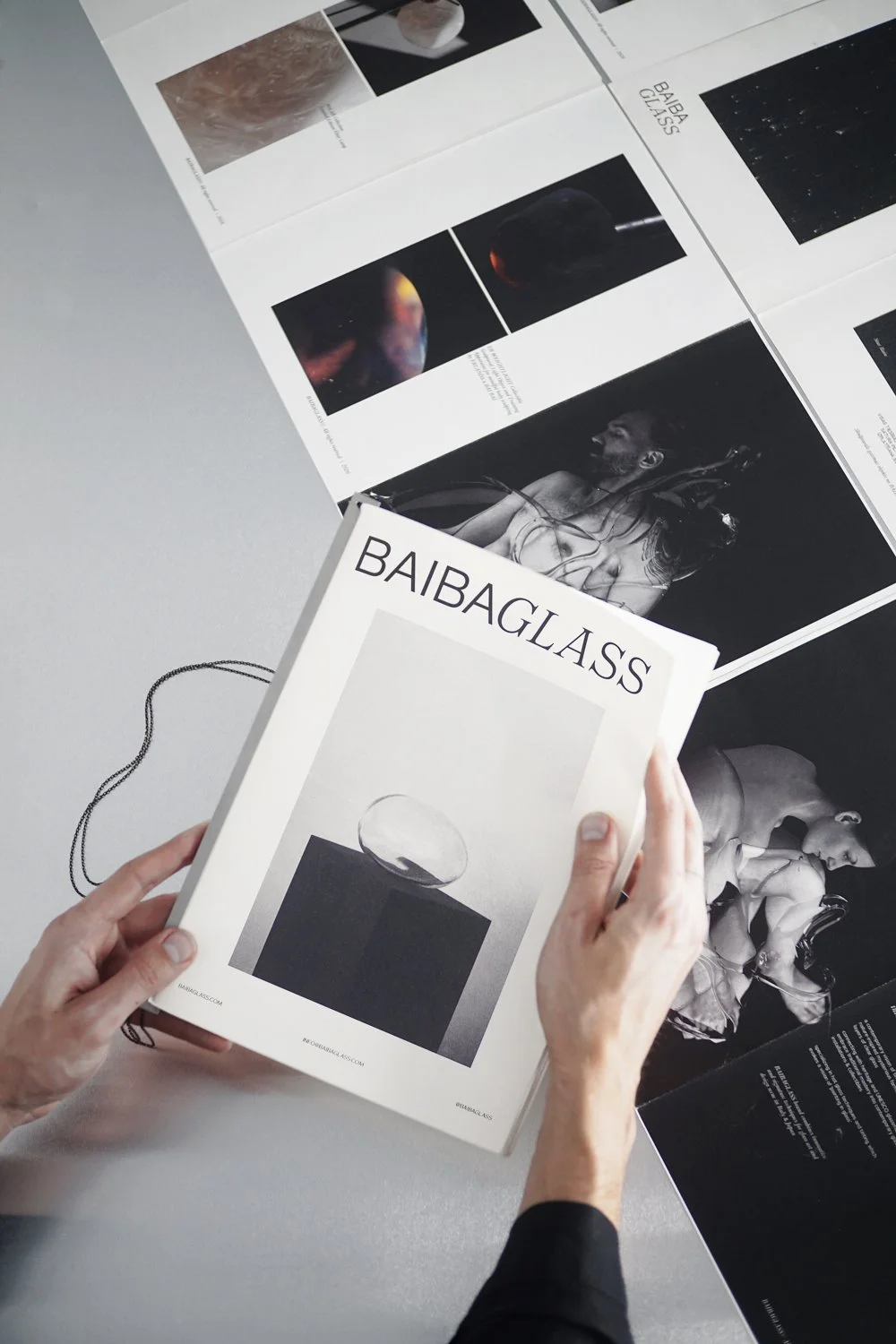
You can take the pages out and lay them across a table, seeing the whole body of work at once rather than looking at one page at a time. Ideas can be moved next to each other, grouped by topic, separated into different directions or removed when they are no longer relevant.
This creates an overview of the thinking process.
A single FOLDBOOK can also hold ideas from different projects. When a project becomes more defined, the relevant pages can be gathered together and moved into its own folder. When something needs to be revisited, the pages can come back into the sketchbook.
Nothing needs to follow a permanent sequence.
The sketchbook can therefore change from week to week, meeting to meeting, and project to project — carrying only what is important at that moment.
FOLDBOOK makes the physical organisation of ideas part of the creative process.
You don't have to keep everything.
You can lay it out, move it around, keep what matters, archive what is finished, and make space for what comes next.
When working on a project, ideas rarely arrive in a fixed order. A sketch may lead to a note, a note may become a new direction, and something written weeks ago may suddenly become relevant again. In a conventional sketchbook, these moments remain fixed to the pages where they first appeared.
With FOLDBOOK, pages can move with the project.
You can take the pages out and lay them across a table, seeing the whole body of work at once rather than looking at one page at a time. Ideas can be moved next to each other, grouped by topic, separated into different directions or removed when they are no longer relevant.
This creates an overview of the thinking process.
A single FOLDBOOK can also hold ideas from different projects. When a project becomes more defined, the relevant pages can be gathered together and moved into its own folder. When something needs to be revisited, the pages can come back into the sketchbook.
Nothing needs to follow a permanent sequence.
The sketchbook can therefore change from week to week, meeting to meeting, and project to project — carrying only what is important at that moment.
FOLDBOOK makes the physical organisation of ideas part of the creative process.
You don't have to keep everything.
You can lay it out, move it around, keep what matters, archive what is finished, and make space for what comes next.